





10/09/2026
How Tactical Medical Bags Improve Speed And Casualty Access In Military Environments
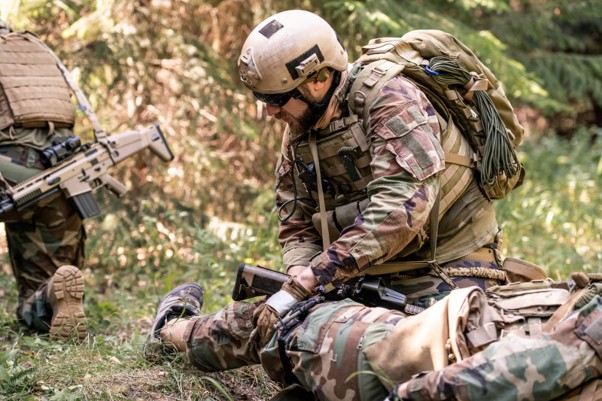
Ask a military medic where access time disappears and you will often hear about small interruptions. A medic may have to reposition their pack before it can be opened, move one pouch to reach another or search beneath overlapping equipment for the item already selected. And so on. Each interruption may cost only a few seconds. Across an intervention, however, those seconds add up, slowing access to equipment and delaying treatment for the casualty.

Is there a way that military tactical medical bags can be designed to reduce these micro-delays and improve speed and access? Yes. The solution is to optimise the design so that the position of equipment and presentation layout make your next action obvious and straightforward. Five mechanisms turn that principle into faster access in the field:
1. Reduce Opening To One Direct Movement
Before you can reach the equipment, you first have to open the bag. An obvious point, perhaps, but also one of the most common causes of delays in treatment in the field when using a military tactical medical bag. This is because conventional zip closures often require you to locate small pulls, guide them around the corners and keep the pack steady, which becomes harder when you are wearing gloves, working in poor light or dealing with contamination. A large pull handle and no-zip opening reduce that sequence to one deliberate movement, allowing you to expose the full loadout quickly whether the bag is lying flat or you have only one hand available.
2. Keep Priority Equipment Visible And Within Reach
Zip or no zip, after opening, you still have to locate the selected equipment and remove it cleanly. Opening the bag quickly is only useful if you can identify and reach the equipment you need just as fast. When packets overlap, similar items are stored together or one pouch blocks another, you can lose time checking labels and moving equipment aside. A clear internal layout keeps priority items visible and in a consistent position. This lets you recognise the right pouch before reaching for it, while secure retention prevents the contents from shifting as the bag is carried, opened or repositioned.
3. They Keep Essential Equipment Within Reach In Restricted Spaces
Inside a vehicle, confined structure or crowded casualty area, there may be no room to open the full bag beside you. A removable pouch or tray allows you to take only the equipment needed for the current intervention into that space, while the rest of the loadout stays contained and out of the way. This keeps the working set close to hand without spreading equipment around the casualty. You can move between components without repeatedly reaching back to the main pack or dragging it into an already restricted area.
4. They Preserve Access While The Casualty Is Moved
Point-of-wounding care can shift quickly from treatment in place to movement towards cover or evacuation. Loose packets and open pouches then have to be gathered, carried and reopened, making the next access slower and less predictable. Secured modules prevent unused equipment from shifting or spilling when you lift or reposition the bag, so when you reopen it, you can pick up where you left off without first searching for displaced items or restoring the layout.
5. They Make Depleted Equipment Faster To Identify And Replace
After treating a casutialty, you need to know what has been used so you can restore the bag before it is required again. Removable modules allow the affected section to be taken out, checked and replenished separately, without disturbing equipment elsewhere in the pack. That keeps the reset process focused on the supplies actually consumed. A replacement module can be fitted while the depleted one is restocked, returning the bag to a known loadout more quickly between casualties.
Next Steps
Military tactical medical bags gain you precious time at five pinch points: opening, identification, placement, movement and replenishment. Strong designs keep those gains connected, so that faster first access does not create disorder or delay later in the casualty-care sequence. If you need a faster, more efficient solution than your current bag set up, explore the Xtract™SR Equaliser’s no-zip access, removable modules and clean-tray workspace. For more information or to discuss your operational requirements with one of our experienced team, please click here to send us a message.